Seizure of Real Estate by Eminent Domain Required in Corps of Engineers’ Draft Proposal for Dealing with Sea Level Rise in the Florida Keys

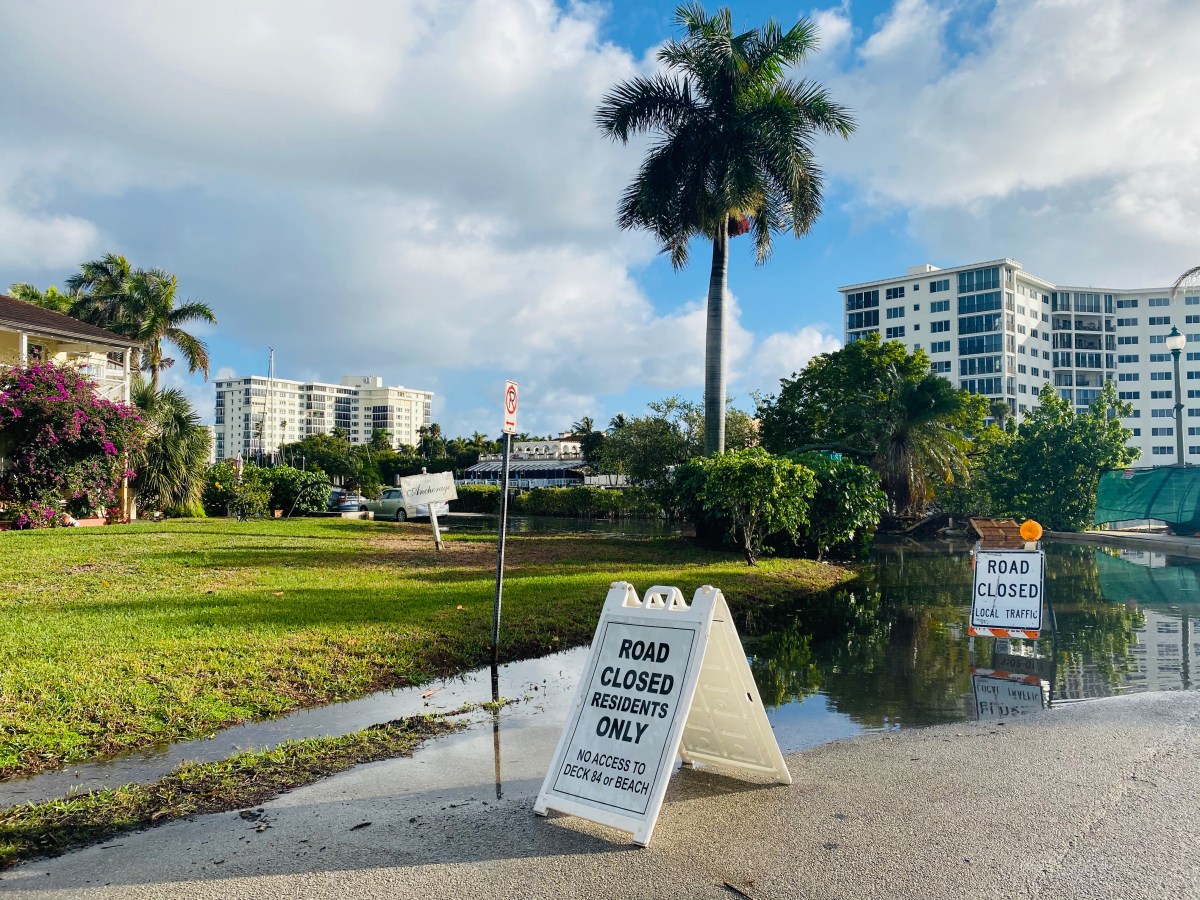
The Army Corps of Engineers recently presented a draft plan to the Monroe County Commission — which governs the Florida Keys — that would require the county to use eminent domain to force property owners in areas experiencing sea level rise flooding who don’t want to participate in a buyout program to sell their property.

The Corps’ $3 billion plan, intended to help the Keys to deal with sea level rise flooding, includes projects to elevate homes, critical businesses and buildings, like hospitals and fire houses. Where protecting real estate from floodwaters is prohibitively expensive or not technically possible, the Corps is proposing “retreat” — where the properties would be purchased and demolished.

Corps and county officials hope that most property owners would recognize the problem and voluntarily participate in a buyout program. To prevent the creation of neighborhoods with a checkerboard of demolished properties and inhabited homes, the Corps is proposing that the county be required to use eminent domain to force the remaining residents to sell their properties. The concern is that if residents remain in neighborhoods that flood, the government will still have to provide essential services and flood protection, which are the expenses they’re trying to avoid.

Susan Layton, a Corps chief of planning and policy, told the Miami Herald, “We don’t ever go straight to condemnation. We always start with negotiating and coordinating with homeowners and looking for willing sellers.”

Monroe County Officials are nervous about the prospect of eminent domain. County Mayor Heather Carruthers said she’s disturbed by that part of the Corps’ proposal. “I don’t know if we want to have that conversation now, if that’s a nonstarter for us,” she said.

The Corps will seek input from Keys officials and the public before the draft proposal is finalized in September 2021.

Because of their low elevation and exposure to the seawater on all sides, the Keys are at the front lines in the battle against sea level rise. How it adapts to sea level rise flooding will have an enormous impact on planning in the rest of the country. Buyers, sellers, owners and real estate agents in coastal areas should keep informed about what happens there.
Are Dredging and Beach Replenishment Effective Ways to Protect Real Estate Against Sea Level Rise?

In this video, a massive dredger scours sand and mud from the seafloor off Delray Beach, Florida, and pumps it onto the land where it’s used to replenish the eroded beach. The $8 million project is intended to rebuild the beach for tourism and to protect millions of dollars in real estate.

Every year, cities along the Atlantic, Pacific and Gulf of Mexico coastlines spend millions of dollars on beach nourishment projects. In my hometown, Delray Beach, Florida, a massive offshore dredger just started pumping slurry — sand and water — onto the seriously eroded beach to replenish it. The $8 million project is expected to last weeks. (You can see how it works by watching the video I created of the project.)

This type of dredging to replenish a beach has benefits and costs. In our case, the cost of beach replenishment is easily offset by the tourist dollars it attracts to the community. Without a beach, it’s unlikely people would come here and spend money to stay in hotels and dine and shop in the bustling downtown district. The beach also lures real estate buyers into purchasing single family homes, townhouses and condos.

Beyond the economic advantages, the replenished beach also acts as a barrier that protects valuable real estate from storm surges and erosion.

Despite the many positives, beach replenishment has some downsides. It can be harmful to marine animals and shore birds. If the causes of erosion aren’t (or can’t) be addressed, it will have to be repeated on a regular basis. And it can be expensive; and the costs are growing, especially in areas where sand is not in abundance and it has to be trucked in.

Sea level rise is sure to exacerbate the challenges faced by towns that rely on sand replenishment to maintain their beaches. Every inch of sea level rise increases the force of tides and wave action on beaches. The higher and more powerful storm surges that come with climate change and sea level rise will also be problematic.

For now, most cities and towns that rely on beach replenishment appear committed to the practice to protect their tourism trade and valuable real estate. Whether they will be able to foot the bill when the seas get higher and their beaches require more frequent nourishment projects is an X factor that all real estate buyers and owners in coastal areas prone to erosion need to consider.

California Coastal Commission and Malibu Developer Clash Over Sea Level Rise Height Predictions

The California Coastal Commission, the City of Malibu and coastal developer at clashing over a new beach development on the Pacific Coast Highway. One of the major points of contention is estimates of how much the sea will rise by 2100.

The city approved the developer’s plan based on an old sea level rise estimate of 1.5 feet by the turn of the century. The Coastal Commission takes issue with that prediction, which it says will put the property at a greater risk of flooding.

An engineer the city used to evaluate the project approved the 1.5 foot estimate because that was the number the Coastal Commission included in its 2015 guidance document. The Coastal Commission says the engineer should have used its region-specific estimate and updated 2018 guidance.

The gap between the Coastal Commission and the engineer is enormous. The sea level rise estimate was increased to over five feet in 2018. According to an article in the Malibu Times, a Coastal Commission staff report said, “The difference is more than 4.65 feet, which is significant in determining the required setback, finished floor elevation, and safety of the proposed structure from extreme events and sea level rise.” The report also mentions that scientists are now estimating that the seas could rise anywhere from 3.3 feet to 10 feet by the end of the century.

Scientists are having a tough time predicting sea level rise precisely because humans continue to burn the fossil fuels that create the greenhouse gases that are causing global warming at an accelerated rate. If society continues on this track, even the most liberal predictions could turn out to be conservative, especially if the Greenland and Antarctic ice sheets melt faster and are destabilized to the point where land-based glaciers flow more rapidly into the sea.

The Malibu case is just one example where real estate developers and cities are relying on the most optimistic sea level rise estimates for new construction projects. Buyers shouldn’t trust that a developer or city has done its homework when they purchase a coastal property. Independent due diligence is required to make sure they’re fully informed regarding the risk of sea level rise flooding in the years to come.

California Town Embraces Retreat to Address Sea Level Rise Threat

“Resiliency” and “retreat” are two popular buzzwords regarding sea level rise and real estate. Resiliency is making the changes necessary to prevent sea level rise flooding as long as possible so people can continue to live near the coast. Retreat is recognizing that either the cost is too high or it’s impossible to engineer your way out of the flooding, so everyone has to move back away from the coastline.

Currently, resiliency is the solution most coastal cities and towns are using to address sea level rise. Governments and property owners are spending billions of dollars to elevate property and critical infrastructure, such as pipes and roads. They’re also building and/or raising sea walls and installing pumps.

Retreat is far less popular. From the Florida Keys to the Pacific Coast, property owners are fighting plans that would force them to move away from coastal areas that are subject to sea level rise-driven flooding or at great risk of flooding in the near future.

According to an article in the Los Angeles Times, Marina, California, a small town with 23,000 residents north of Monterey, is actively embracing retreat as a solution to its sea level rise woes. The town is considering plans that have proven unpopular in most coastal locations, including requiring sellers to disclose sea level rise information to buyers, moving infrastructure away from at-risk areas, and discussing relocation with the operators of a private beach resort.

To ensure that the town doesn’t have to make the same difficult decisions over-developed towns are being forced to make regarding resiliency or retreat, Marina officials are actively steering real estate developers toward inland locations away from the eroding shoreline.

David Revell, a coastal scientist and sea level rise consultant, told the Times, “Marina is such a good test case. Here we have the precedent of a community that understands that … there has to be enough lead time to get things out of the way — before it’s in the way.” Revell added that Marina’s pro-active approach “is a really powerful message to the rest of California.”

Residents seem to generally approve of the town’s approach to dealing with sea level rise. The town’s draft plan is almost finished.

Real estate buyers in coastal areas need to consider whether a city or town intends to rely on resiliency or retreat to address sea level rise flooding. Resiliency can lead to higher taxes and the possibility that a property of interest will be impacted by the construction of sea walls, pump stations and other infrastructure. Retreat could limit the amount of time a property can be owned and enjoyed. Both approaches could also impact property value.

Leaked JP Morgan Report Warns Climate Change Could Lead to Human Extinction

“Although precise predictions are not possible, it is clear that the Earth is on an unsustainable trajectory. Something will have to change at some point if the human race is going to survive.”

You might expect to find this doomsday prediction in an op-ed by a rabid environmentalist group. That’s why it’s doubly shocking when you find out it actually appears in a research document leaked from JP Morgan, the world’s largest investor in fossil fuels.

According to a Guardian article, JP Morgan economists David Mackie and Jessica Murray wrote the report, which draws on studies produced at universities and by the International Monetary Fund and UN Government Panel on Climate Change. Rupert Read, an Extinction Rebellion spokesperson obtained a copy, which Guardian journalists were allowed to view.

Mackie and Murray write that policy-makers and financial leaders have to change how climate change is being addressed or there’s a chance that the situation will deteriorate faster than now forecast. They also worry that concern about jobs and competitiveness might prevent humankind from taking the necessary steps to reduce the burning of fossil fuels, which creates the greenhouse gases behind global warming and sea level rise.

JP Morgan’s leaked report is only the latest example of an investment firm stating concern about climate change. Earlier this year the CEO of BlackRock, the world’s largest asset manager, said his firm was moving away from fossil fuels because they’re a poor investment when the world needs to shift to renewables to reduce the release of greenhouse gases.

Buyers, sellers, owners and real estate agents need to take these reports seriously. Their real estate investments are being impacted by climate change and, along the coast, sea level rise flooding. Using the same dry-eyed approach financial institutions are using to evaluate their investments in their real estate decisions is the only way to protect their financial future.

Louisiana, a Top Fossil Fuel Producer, Announces Plans to Combat Climate Change and Sea Level Rise

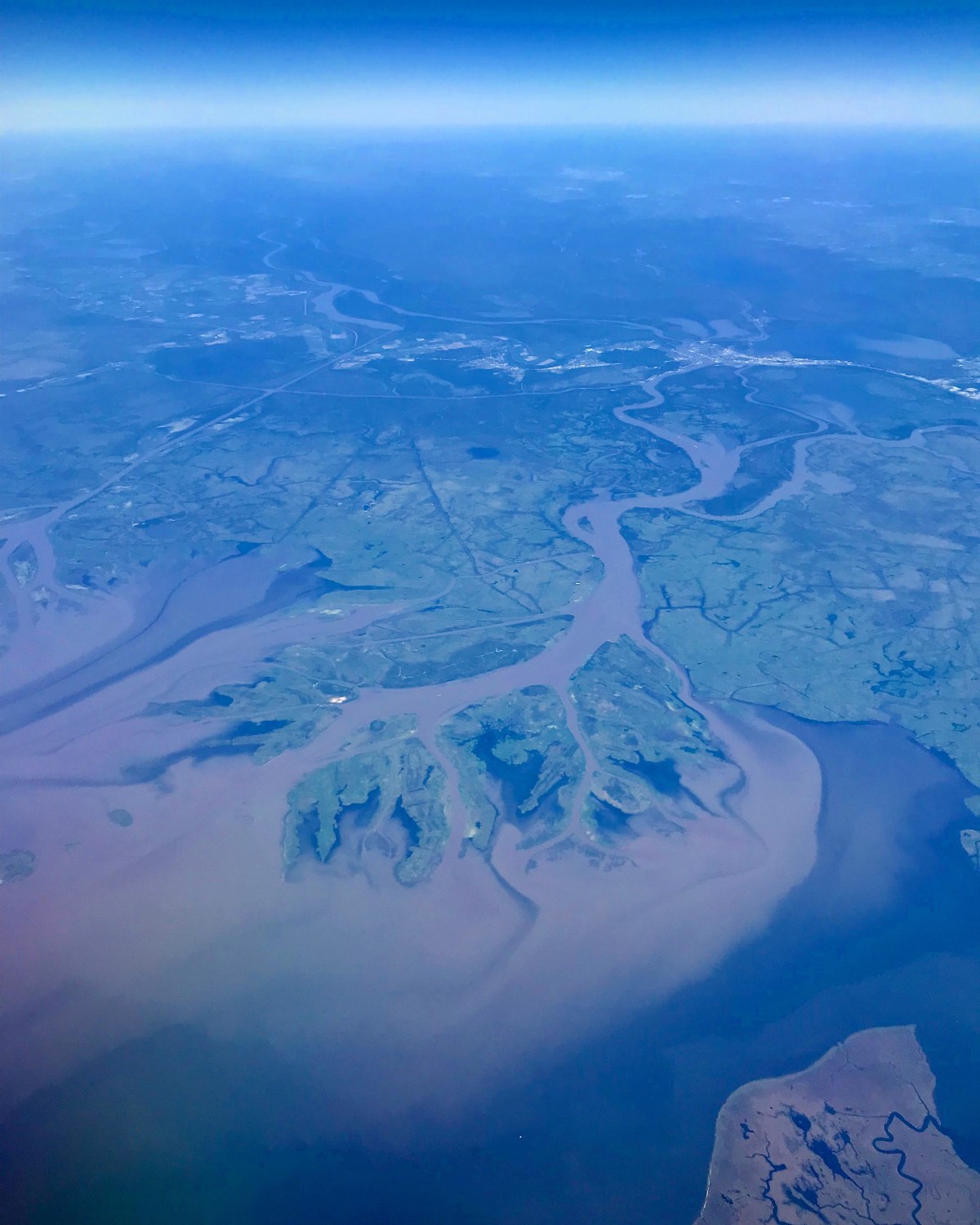
Louisiana Governor John Bel Edwards held a press conference this week to announce his administration’s plans to combat climate change and sea level rise. The announcement was especially notable because it was made in a state that’s a major producer of oil, gas and petrochemicals.

“Science tells us that rising sea level will become the biggest challenge we face, threatening to overwhelm our best efforts to protect and restore our coast,” said Gov. Edwards, who spoke at the Louisiana State University Center for River Studies in Baton Rouge. “Science also tells us that sea level rise is being driven by global greenhouse gas emissions.”

According to an article posted on NOLA.com, the governor announced the creation of a Climate Initiatives Task Force that will recommend concrete steps that the state can take to reduce greenhouse gas emissions and handle the increased flooding that’s sure to occur as seas continue to rise in the decades to come.

Louisiana is facing a difficult challenge. The Environmental Integrity Project reported in January that in 2018 alone three plants emitted 764 million tons of greenhouse gases, which are driving global warming. That’s an 8% increase over 2016. The group said industrywide plans to expand facilities in the state could increase release of the heat-trapping gases by almost a third by 2025.

Edwards said the state will work with energy and petrochemical companies to find solutions to climate change. He said he’s also appointing a chief resilience officer to make all state agencies aware of what’s being done to combat climate change and sea level rise.

Some environmental groups applauded the governor’s announcement. “To protect the future of our state, we must do everything we can to limit the rate of sea level rise,” Steve Cochran, an Environmental Defense Fund official, told NOLA.com. “We must adapt to changes that are already occurring along our coast, and we must think long term about our jobs. …. This is what progress looks like.”

Boston Mounts an Aggressive Plan to Battle Sea Level Rise Flooding

Much of Boston, MA, is built on landfill, which makes it especially vulnerable to sea level rise flooding. With estimates ranging anywhere from 10 inches of global sea level rise to over seven feet by the end of this century, the city is mounting an aggressive plan to hold back the rising seas, according to a Washington Post article.

With over nine inches of sea level rise racked up since the beginning of the last century, areas of Boston are already experiencing sea level rise flooding that’s especially noticeable during extra high king tides in the fall.

To fight back against sea level rise flooding and the higher than normal storm surges it can bring, the Boston’s mayor is dedicating more than $30 million a year to address the problem. Among the projects are elevating streets and parks, and building higher berms and sea walls. City officials are concerned that they’re not doing enough to protect residents and real estate in the poorest neighborhoods, but they are considering options.

Despite the effort to combat sea level rise, Michael Oppenheimer, a professor of geosciences and international affairs at Princeton University, told the Post, Boston and other coastal cities may still ultimately have to retreat from the rising seas. He said, “It is what a lot of cities will have to do because a lot of neighborhoods are not defensible.”

Boston’s experience with sea level rise flooding as discussed in this article is yet another example of why buyers, sellers, owners and real estate agents in coastal areas need to educate themselves on which properties and neighborhoods are experiencing sea level rise flooding and what, if anything, can be done to hold back the rising tides.

Hawaii’s Trying to Decide Where to Allow New Real Estate Developments in Areas Threatened by Sea Level Rise

Lawmakers in Hawaii are taking on an issue few coastal states are ready to address: Where do you allow new real estate developments when scientists are predicting up to three-to-six feet of sea level rise by the end of this century?

The answer could have a huge impact on real estate developers, builders and people seeking affordable housing.

According to a report on Honolulu Civil Beat, some legislators in Hawaii are promoting a bill that would prevent new construction in areas below 6 1/2 feet of the current sea level. With land elevations varying greatly, that would still allow some construction right on the shore while developers wouldn’t be allowed within a half mile of beaches in other areas. Builders in Honolulu say that limit would prevent them from constructing many new developments, including projects that would be sold at a more affordable price point.

The stakes are high for Hawaii. Scientists predict that even 3.2 feet of sea level rise by 2100 would displace more than 13,000 people and lead to $12.9 billion in economic losses in Oahu alone.

As in other states, there are areas in Hawaii where coastal real estate is already experiencing flooding due to rising seas. Finding solutions that serve the needs of current generations while looking out for the future is a difficult political tightrope to walk. Further complicating the issue is the fact that the burning of fossil fuels, global warming, and rising sea levels are continuing at an accelerating pace, which makes it difficult to issue the accurate predictions coastal communities need for planning purposes.

That Hawaii is discussing this difficult issue is commendable. Other states need to step up to the plate to protect people and property.

FEMA’s Updated Flood Maps Will Impact Flood Insurance Premiums in South Florida

The Federal Emergency Management Agency (FEMA), which administers the National Flood Insurance Program, has been touring South Florida to inform real estate owners about how proposed flood maps based on the latest data will impact their flood insurance premiums.

Owners whose property is included in flood zones will pay higher premiums under the new maps that will take effect in 18 months to two years. Experts recommend that they purchase flood insurance now, before insurance premiums spike under the new designation. If they act now, they will not have to pay the substantially higher rates new policy buyers will have to pay as their existing policies will be grandfathered in when the zones change.

The new maps aren’t all bad news. With the new data removing some properties from flood zones, some lucky owners may actually see a reduction in flood insurance premiums.

People involved in real estate in coastal areas need to keep in mind that FEMA maps don’t consider future sea level rise or king tide flooding. Buyers especially need to perform due diligence to find out if a property experiences sea level rise flooding or may experience flooding in the period they expect to own it. Not knowing a property’s flooding status could result in a loss of property value and higher carrying costs, including maintenance, flood insurance, taxes and condo and homeowners association fees.

Local governments have officials who can help property owners who missed the FEMA meetings to decide what to do next.

South Carolina Latest State to Consider Hiring a Sea Level Rise Resiliency Chief

South Carolina Governor Henry McMaster has proposed the creation of a chief resiliency office position at the highest levels of state government to help coordinate the state’s response to extreme storms and sea level rise flooding.

According to a report in The Post and Courier, the resiliency chief would develop plans to seek federal funding for flood mitigation projects, control development in vulnerable areas, and improve how the state responds to disasters.

If the new position is approved, South Carolina would join Florida and North Carolina — states long considered resistant to discussing climate change and sea level rise flooding — in appointing a high level official to deal with the problems created by global warming.

The South Carolina climate change czar would also be responsible for collecting the latest climate change information and relaying it to government officials and the public. Local government officials have told the state they need money for seawalls, drainage improvements and other projects to hold back rising tides. Charleston alone estimates it needs $2 billion to protect residents and real estate.

It’s unclear at this point whether Gov. McMaster’s proposal will get the support it needs from the state legislature. Meanwhile, sea level continues to rise.