Innovative Grant Program in Miami Beach, Florida, Helps Homeowners to Combat Sea Level Rise Flooding on Their Properties

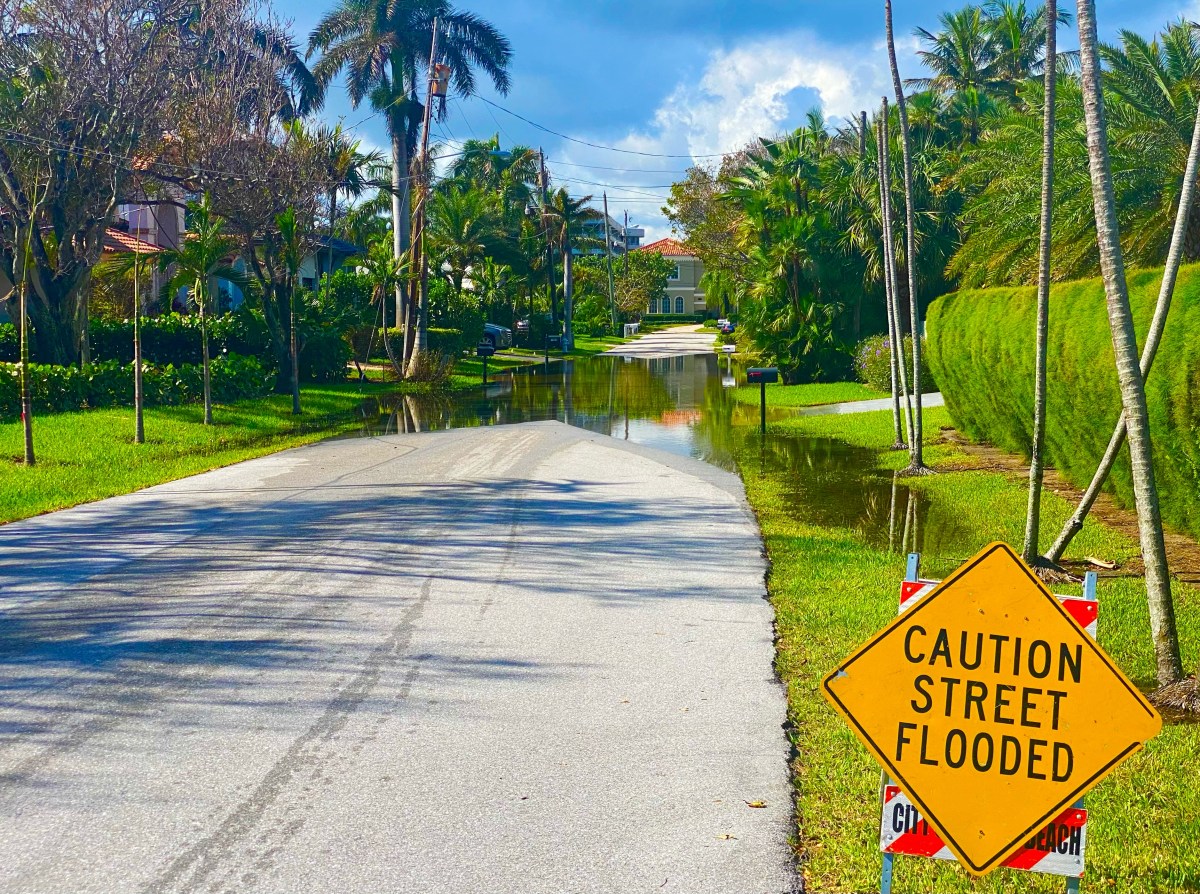
Coastal cities and towns experiencing sea level rise flooding are on the lookout for innovative programs to help homeowners to combat sea level rise flooding on their properties. The city of Miami Beach, Florida, stepped up to the plate in December by creating a program that will provide matching funds of up to $20,000 to residents who are taking steps to prevent flood damage to their yards and homes.

The new Miami Beach Resilience Fund is allocating over $666,000 for the Private Property Flooding and Sea Level Rise Adaptation Grant. In announcing the new program, Mayor Dan Gelber said, “Private property adaptation is a vital component to Miami Beach’s overall climate resilience planning.” The city has invested hundreds of millions of dollars in flood control infrastructure projects, including elevating roads, installing pumps, and making improvements to stormwater and water treatment systems.

The city envisions private property owners using the grants to elevate air conditioning systems, improving the ability of yards to absorb rainwater and floodwaters, and elevating garage floor and yards. The funds are not enough to assist homeowners in elevating their houses or raising seawalls, which will likely be necessary as the ocean is predicted to rise by two feet between now and 2060. Additional public and private funds will have to be allocated for these flood mitigation steps that could cost many billions of dollars in Florida alone.

City Commissioner Mark Samuellan said the grant program will help the entire city’s economy. “Reducing the likelihood of flood damage will help to preserve and increase home values.”

You can read more about the grant program in this Miami Herald article.
New Maps Show Where Thousands of Affordable Housing Units are Most At Risk from Sea Level Rise Flooding

When coastal communities are planning how to respond to the threat of sea level rise flooding, it’s important to not only identify all the areas that could experience flooding but also the areas that may need extra resources to cope with it.

Climate Central, an independent group of scientists and journalists dedicated to researching climate change and educating the public about the challenges it poses, just released maps that show the location and number of affordable housing units that may be at risk of coastal flooding over the next hundred years. Experts drew on peer-reviewed studies published in leading journals to generate the maps.

When producing the maps, Climate Central researchers made the following startling discoveries:

  1. “The number of affordable housing units at risk from coastal flooding and sea level rise is expected to more than triple (to 25,000 units) over the next three decades.”
  2. “By 2050, virtually every coastal state is expected to have at least some affordable housing exposed to more than one ‘coastal flood risk event’ per year, on average.”
  3. “New Jersey, New York, and Massachusetts have the largest share of affordable housing stock and number of units at risk; projections for New York City, Atlantic City, and Boston show that each city could have thousands of units exposed to chronic coastal flooding by 2050.”

The maps are intended to give planners a quick view of the areas that are at risk from coastal flooding in the years to come. They have some limitations however. According to Climate Central, the maps indicate the risk from “permanent future sea level rise,” not the risk from extreme flooding events driven by “erosion, future changes in the frequency or intensity of storms, inland flooding, or contributions from rainfall or rivers.”

Climate Central has a series of maps that can give planners and real estate buyers, owners, investors and agents an idea of the risk to all housing units and property in a given area. This site is an absolute must-visit for buyers who want to purchase property in coastal communities.

The Climate Central affordable housing maps and analysis were published in the journal Environmental Research Letters.